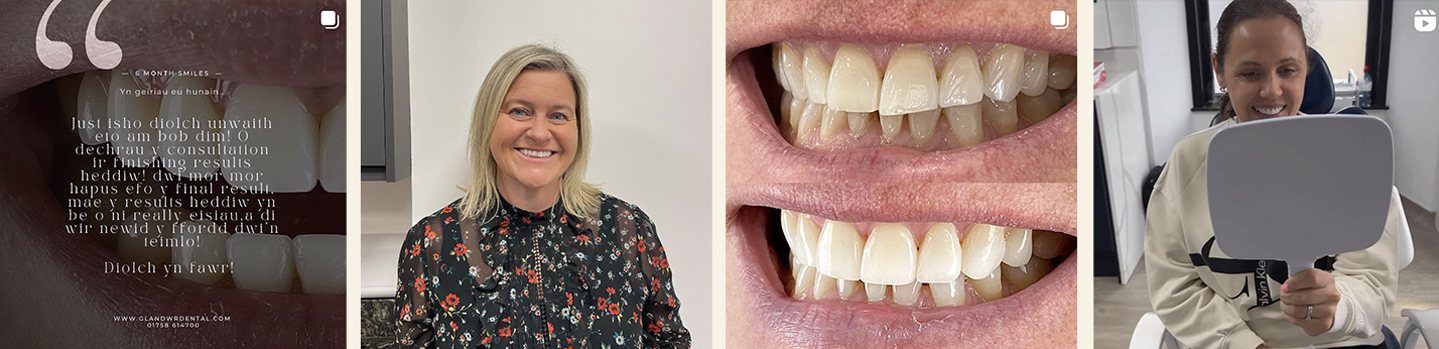
At Glandwr Dental Practice, patients can receive guidance from a dental practice in North Wales with care available across Penrhyndeudraeth, Pwllheli, Cemaes Bay, and Llangefni.
The first week with traditional braces is often the biggest adjustment. Your teeth may feel tender as they begin responding to the gentle pressure from the appliance. Your lips and cheeks may also feel more aware of the brackets.
This stage is temporary. Many patients find that the mouth begins to adapt within several days. During this period, it can help to plan meals that are easier to chew and avoid rushing when eating.
Speaking may also feel slightly different at first. This is because your tongue and lips are getting used to the braces. Reading aloud at home can help speech feel more familiar again.
Traditional braces do not stop you from enjoying food, but they do require a more careful approach. Hard, sticky, or chewy foods can place pressure on brackets and wires. This may increase the chance of damage to the appliance.
In the early stages, softer meals can make eating easier. Pasta, rice, soups, soft vegetables, fish, eggs, and yoghurt are often easier to manage. Foods can also be cut into smaller pieces rather than bitten into directly.
It is also helpful to drink water after meals. This can help loosen food particles around the brackets until you are able to brush properly.
Oral hygiene is especially important during braces treatment. Brackets and wires create extra spaces where food and plaque can collect. Careful cleaning helps protect the teeth and gums throughout treatment.
A soft toothbrush can be used around each bracket, with attention paid to the gumline. Interdental brushes may help clean between brackets and underneath wires. Your dentist may also suggest fluoride products depending on your oral health needs.
Brushing may take longer than it did before braces. Taking extra time each day can help reduce the risk of staining, gum irritation, and plaque build-up.
Traditional braces can fit into school, work, and social routines with a little planning. Carrying a small dental care kit can be useful when away from home. This may include a toothbrush, toothpaste, interdental brush, and orthodontic wax.
If a bracket rubs against the inside of the mouth, orthodontic wax can help protect the area. If a wire feels sharp or a bracket becomes loose, it is important to contact the dental team rather than trying to adjust it yourself.
Adjustment appointments are also part of the process. These visits allow your provider to check progress and make changes to the appliance. Mild tenderness after these appointments is common and usually settles within a few days.
At Glandwr Dental Practice, patients can receive practical advice on traditional braces and ongoing care. With patience, consistent cleaning, and regular reviews, life with braces can become part of a normal daily routine.

Fill in the form and our friendly team will be in touch with you momentarily